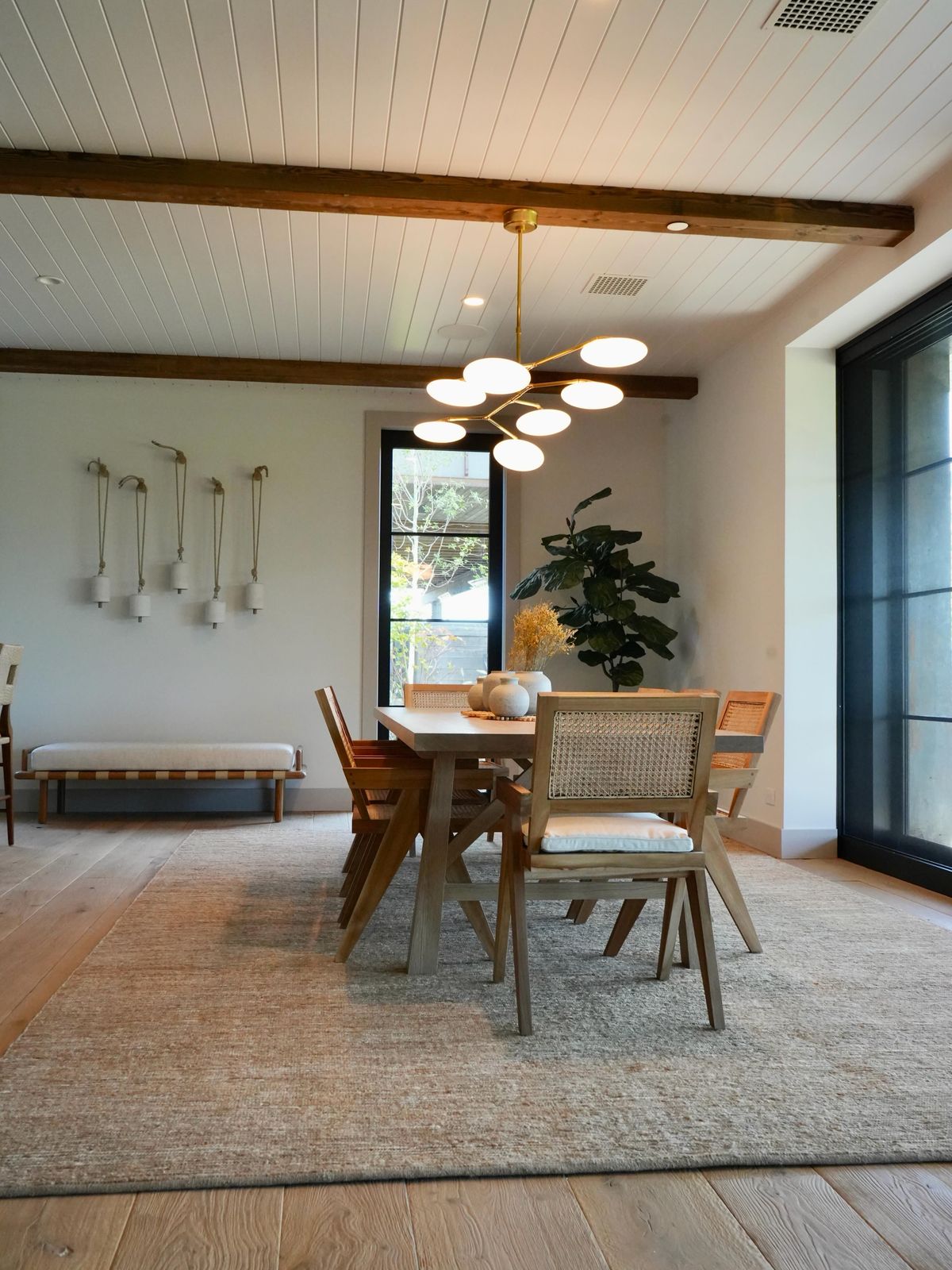
Hardwood · Maui, Hawaii
From native Hawaiian Koa to engineered planks and premium laminate, we install, refinish and detail wood floors chosen for how they will perform in your home and your part of the island.
Hardwood · Maui, Hawaii
From native Hawaiian Koa to engineered planks and premium laminate, we install, refinish and detail wood floors chosen for how they will perform in your home and your part of the island.
Wood reacts to its environment. It takes on moisture in humid weather and gives it up when the air is dry, expanding and contracting as it does. On Maui, a home in breezy, salt-air Kapalua lives very differently from a cool, misty house in Kula, and a slab-on-grade condo differs from a raised wood-frame home. Those differences shape which floor we recommend.
We start every flooring project by looking at the subfloor, checking moisture, and asking how the space is used — full-time residence, vacation rental, a home that is closed up for months, or a busy family with pets and sand coming in off the beach.
Koa is native to Hawaii and prized for its rich golden-to-reddish color and shimmering, often curly figure. A Koa floor is a distinctly Hawaiian statement, and every board is different, so we take care with board selection and layout to balance color and figure across the room. Supply of Koa is limited and varies, so we discuss availability and alternatives early in planning.
Teak and Mahogany are naturally oily, dense woods with a long history in humid and marine settings. Walnut and Cherry bring deep, warm tones; White Oak, Hickory and Maple offer lighter, contemporary looks and strong hardness for active households. We will help you weigh color, hardness and how each species ages in sunlight.
Sand is the biggest enemy of a beach-home floor, so mats at every entry and regular sweeping go a long way. Area rugs and window treatments help limit fading where strong sun hits the floor. Keeping some airflow or climate control in a home that sits empty helps the wood stay stable. When the finish wears, a screen-and-recoat or full refinish brings it back, and solid floors can be refinished many times.
Wood floors pair beautifully with plaster walls. Many of our clients combine them with lime plaster or Venetian plaster for a warm, natural interior.
Yes, usually as engineered hardwood glued down or floated over a suitable moisture barrier. Solid hardwood over a slab requires more caution. We test slab moisture before recommending a method.
It depends on the home. Engineered wood is more stable in humidity and over slabs; solid wood offers more refinishing life and suits raised, ventilated floors. We recommend based on your subfloor and conditions.
Often, yes. Premium laminate resists scratches and wear from frequent turnover and costs less to replace. We help you compare it against engineered wood for your situation.
If the floor is solid wood or engineered with enough wear layer, refinishing is often possible. We inspect the boards and tell you whether sanding, a recoat or replacement makes sense.
It depends on scope: species and product, square footage, subfloor prep and details such as inlays. We provide a free on-site estimate with a written, itemized quote.